
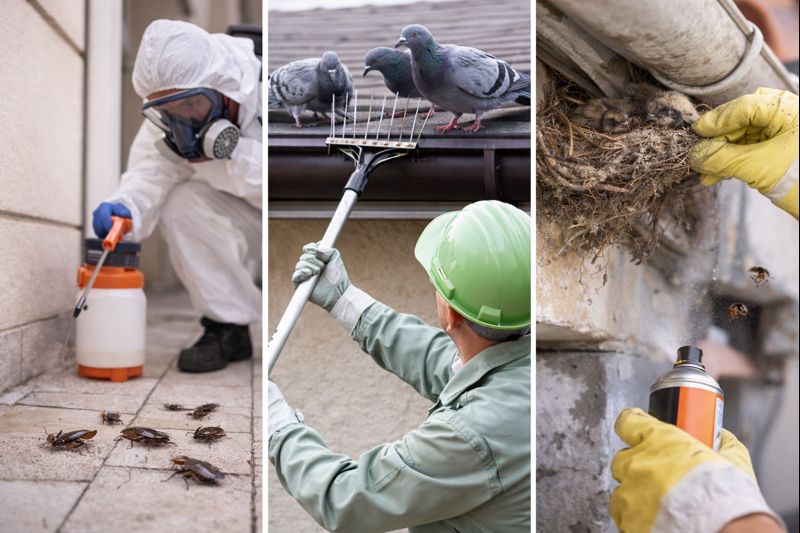
Birds can damage property, create health risks, and disrupt daily operations, but you don’t have to tolerate the problem. Professional bird control treatment services identify the species, assess the site, and apply humane, eco-friendly solutions—like exclusion, netting, spikes, repellents, or falconry—so you get targeted, long-lasting results.
You’ll learn how specialists evaluate infestations, choose methods that protect your building and the birds, and reduce repeat problems while following regulations. This post breaks down what to expect, the pros and cons of common bird control treatments, and how to pick a provider who delivers effective, responsible control.
Understanding Bird Control Treatment Services
You will learn what drives bird problems on buildings and how those problems create real risks for people, property, and operations. The descriptions below show common scenarios, likely impacts, and the control actions professionals use.
Common Bird Problems in Urban and Commercial Areas
You often find birds nesting in gutters, eaves, vents, rooftops, loading docks, and around signage. Pigeons, starlings, gulls, and sparrows are the usual culprits because they tolerate people and find food and shelter near human activity. Nesting materials and droppings clog drains, block ventilation, and accelerate roof and facade corrosion.
Expect noise, fouling of outdoor seating and walkways, contamination of inventory and HVAC intakes, and dropped feathers or nesting debris that trigger frequent cleaning. Professionals typically use exclusion (netting, spikes, mesh), habitat modification (remove food sources, secure waste), and targeted deterrents (visual, auditory, or laser systems) to make roosts unattractive and protect high‑value surfaces.
Health and Safety Risks Posed by Birds
Bird droppings contain bacteria, fungi, and parasites that can transmit diseases such as histoplasmosis, cryptococcosis, and salmonellosis. You face respiratory hazards when dried guano becomes airborne during maintenance or wind events. Accumulated droppings also create slippery surfaces that raise fall risks for staff and customers.
Structural hazards include guano‑induced corrosion on metal and concrete, nests blocking gutters and downspouts that lead to water damage, and wiring fires from nesting in electrical cavities. Effective treatment combines cleaning with protective measures (safely remove guano, disinfect, then install exclusion or deterrent systems) and regulatory compliance to reduce liability and keep your site operational.
Methods and Benefits of Professional Bird Control
Professional bird control uses targeted, species-specific methods to stop nesting, droppings, and structural damage while minimizing harm. You gain options that fit your building type, budget, and local wildlife regulations.
Humane Bird Deterrent Techniques
Professionals prioritize humane methods that discourage birds without injury. Common options include physical exclusion like stainless-steel spikes and netting to block roosting and nesting on ledges, eaves, and under solar panels.
Auditory and visual deterrents — recorded distress calls, ultrasonic devices, and reflective tape — can reduce visits but work best combined with exclusion because birds habituate over time.
Falconry uses trained raptors to create a real predator presence and often produces rapid area clearance for plazas and airports.
Egg and nest management follows local laws; technicians remove active nests only when permitted and install deterrents to prevent return. You should expect inspectors to document species and apply methods that meet wildlife regulations.
Choosing the Right Solution for Your Property
Start by having a professional perform a site survey that identifies species, entry points, and damage. You need species-specific data because pigeons, gulls, starlings, and geese require different strategies.
Match methods to surfaces: spikes and nets suit signage and ledges, wire systems or gel repellents fit beams, and visual/sonic options help open spaces like parking lots.
Consider these factors when choosing: property type (residential roof, commercial loading dock, airport), aesthetic impact, maintenance access, and local permitting.
Ask for a written plan with expected outcomes, timeline, and warranty. Verify the company’s training, insurance, and compliance with animal-protection laws before you approve work.
Long-Term Effectiveness and Cost Considerations
Short-term fixes often fail; integrated plans combining exclusion, habitat modification, and monitoring deliver the best long-term results. Expect higher upfront costs for durable physical solutions (stainless hardware, professional netting) but lower maintenance and repeat-service fees over time.
Budget items to request: installation, seasonal inspections, nest removal (if allowed), and follow-up visits. Some providers offer service contracts that include monitoring and rapid response to recolonization.
Measure effectiveness by reduced nesting, fewer droppings, and lowered maintenance costs. Ask providers for case examples, success metrics, and projected return on investment specific to your site.


Leave a Reply