
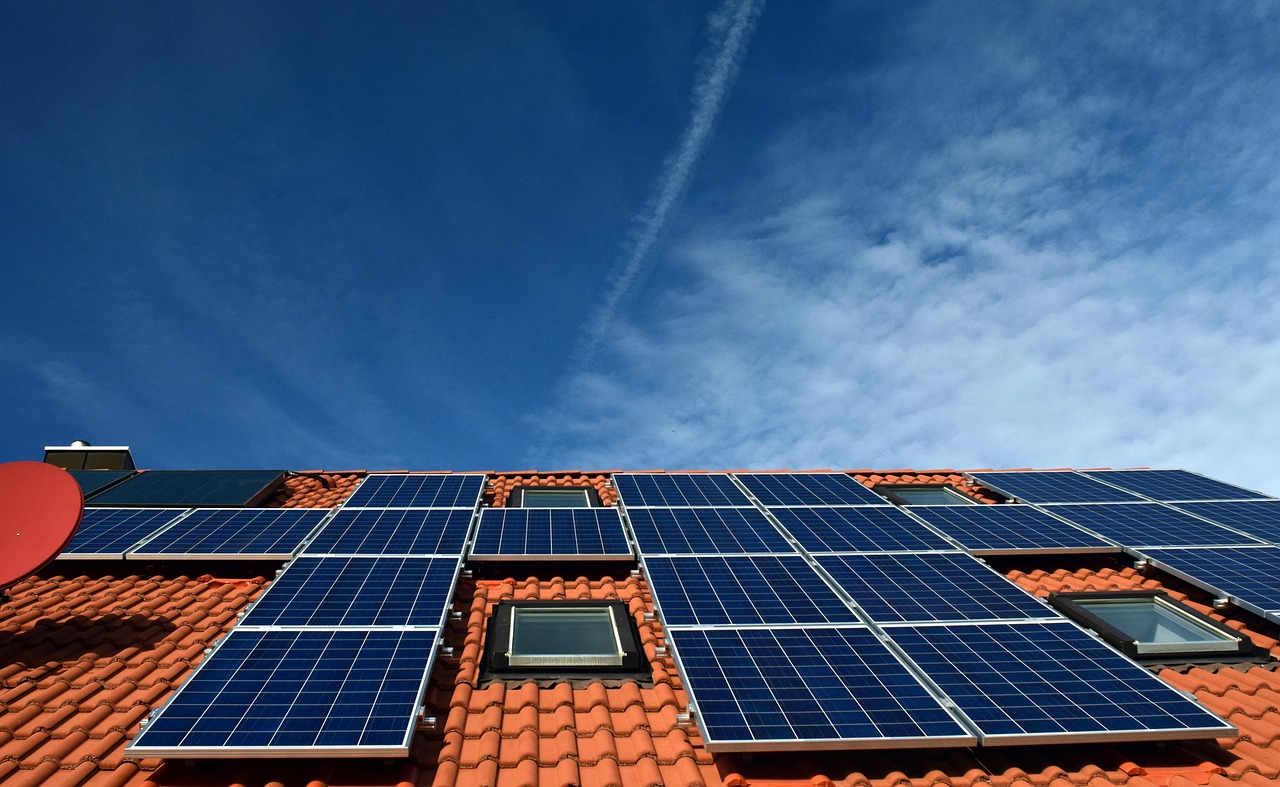
You can turn parts of your building—roof, facade, or even windows—into electricity-producing surfaces without sacrificing design. Building-integrated solar embeds photovoltaic materials into the structure itself so you gain usable power while preserving or enhancing the building envelope.
This post shows how these systems differ from traditional rooftop arrays, where they fit best, and practical ways to integrate them into projects of different scales. Expect clear comparisons of technology, real-world applications, and decision points that help you judge whether BIPV makes sense for your next project.
Overview of Building Integrated Solar
Building integrated solar embeds electricity-generating components into a building’s structure so you capture solar power at the point of use while preserving or replacing conventional materials. The following subsections explain what BIPV means, the main technology options, the tangible benefits you can expect, and the practical challenges you must plan for.
Definition and Key Concepts
Building-integrated photovoltaics (BIPV) replace or become part of building elements—roofs, façades, windows, and canopies—while producing electricity. You should view BIPV as both a building-material choice and an on-site generation asset that alters project workflows, permitting, and lifecycle costs.
Key concepts you must track:
- Electrical integration: modules connect to inverters, distribution, and meters within the building.
- Architectural integration: modules match thermal, structural, and aesthetic requirements.
- Performance metrics: installed capacity (kW), energy yield (kWh/yr), and module efficiency influence sizing and payback.
- Regulatory context: building codes, façade fire ratings, and local solar permitting affect feasibility.
Types of Building Integrated Solar Technologies
You can choose several technology families depending on location, appearance, and performance needs:
- Rigid crystalline silicon modules: high efficiency, used for rooftop cladding and curtain walls where weight and opacity aren’t issues.
- Thin-film modules (CIGS, CdTe): flexible or semi-transparent options for curved façades and some glazing applications.
- Semi-transparent and agrivoltaic glass: allow daylight while producing electricity for skylights, canopies, and windows.
- Bifacial modules: capture reflected light from both sides—effective when mounted above reflective surfaces or ventilated façades.
- Solar tiles and shingles: integrate with roofing systems and mimic conventional roof materials for heritage or aesthetic constraints.
Select based on trade-offs: crystalline for highest efficiency and lower area use; thin-film or semi-transparent for design integration; bifacial where rear irradiation exists. Consider mounting detail, glass lamination, and thermal expansion in design and installation.
Benefits of Building Integrated Solar
You obtain multiple, overlapping benefits from BIPV beyond electricity generation. First, BIPV replaces conventional materials—roofing, glazing, or cladding—so you save on material costs and reduce embodied carbon in some scenarios. Second, you reduce transmission losses by generating energy at the point of use, improving end-use efficiency.
Operational advantages include passive shading, daylight control, and reduced cooling loads when panels provide solar gain management. Aesthetic integration can increase property value and enable compliance with green-building standards (LEED, BREEAM). For urban sites with limited footprint, BIPV lets you add generation without consuming land.
Challenges and Limitations
You must address higher upfront costs, complex coordination, and regulatory hurdles. BIPV products often cost more than standard PV + separate building materials because of custom sizing, specialized fixing systems, and certification for fire and structural performance.
Technical limitations include lower per-area output for semi-transparent units, thermal management needs that affect module efficiency, and increased maintenance complexity when modules serve structural or weatherproofing roles. Integration also complicates replacements and upgrades: you may need to coordinate with façade specialists and electricians.
Plan for these practical items:
- Early-stage collaboration among architect, structural engineer, and electrical engineer.
- Detailed lifecycle cost modeling and payback scenarios.
- Compliance checks for local building codes, fire safety, and warranty conditions.
Applications and Integration Methods
You will find practical pathways to add solar generation into buildings, from rooftop retrofit arrays to glass façades and integrated thermal-solar components. The subsections explain where you can place modules, how they attach to the envelope, and what performance and design choices matter for reliable output and code compliance.
Residential and Commercial Installations
You can install building-integrated solar on pitched roofs, flat roofs, carports, and glazed elements in both homes and offices. For residences, thin-film or module-shaped BIPV that replaces shingles or tiles provides a close match to roof geometry and often simplifies planning approval. In commercial buildings, large south- or west-facing façades, canopies, and parking structures allow higher capacity and easier access for maintenance.
Consider these practical points:
- Orientation and tilt: aim for south-facing at a fixed tilt close to your roof pitch for predictable annual yield.
- Wiring and inverters: choose centralized inverters for large commercial arrays and microinverters or DC optimizers for complex residential roofs with shading.
- Codes and incentives: verify fire-rating, wind-uplift, and local BIPV standards; many jurisdictions offer net-metering or tax incentives that affect payback.
Building Envelope Integration
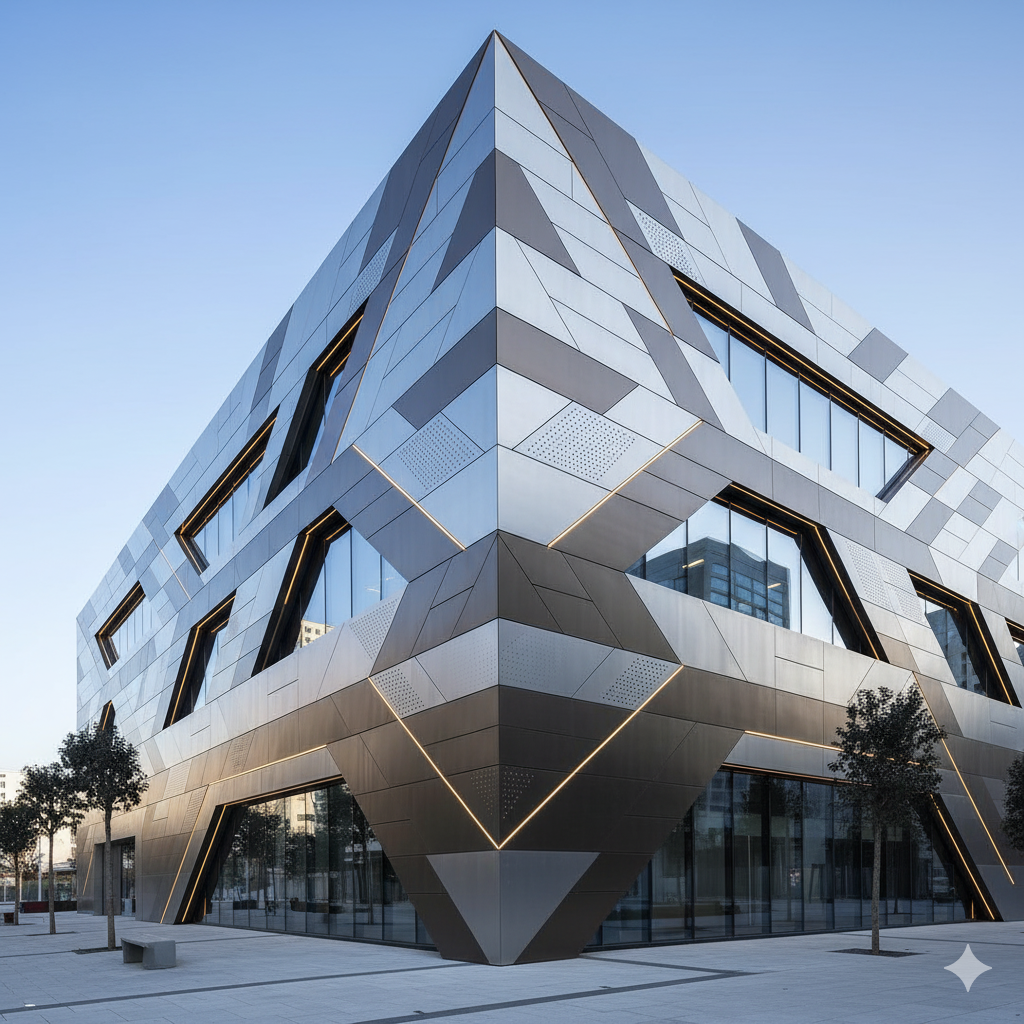
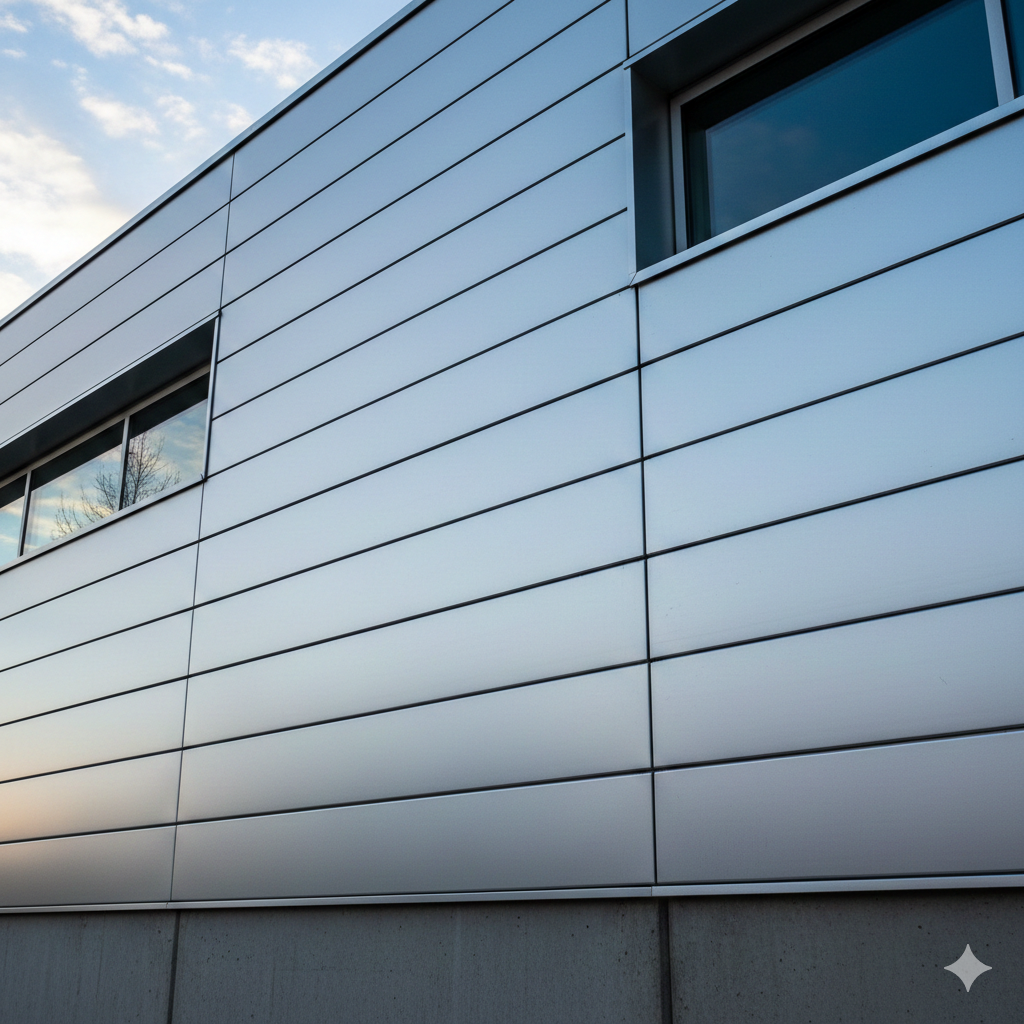
You can replace conventional materials—roofing, curtain walls, skylights, and balustrades—with PV products that perform both structurally and electrically. Glass-glass PV laminates suit façades and skylights where transparency and daylighting matter. Frameless or module-recessed systems work for sloped cladding; rigid BIPV panels can serve as curtain wall cladding when paired with appropriate support rails.
Key integration factors:
- Waterproofing and thermal bridging: ensure continuous air/water barriers and thermal breaks where PV replaces insulated cladding.
- Structural support: confirm that subframes and fixings meet local wind and seismic loads for the additional panel weight and surface area.
- Building services coordination: plan for wiring channels, junction boxes, and inverter locations early in design to avoid retrofit conflicts.
System Design and Performance Considerations
You should design BIPV systems for both electrical yield and building performance, balancing aesthetics, energy, and operational constraints. Model annual energy using localized irradiance and temperature data; include soiling and shading losses from nearby structures and vegetation.
Performance checklist:
- Electrical layout: segment arrays into strings or zones to limit mismatch losses and simplify maintenance.
- Thermal impacts: recognize that integrated PV can alter envelope heat gain; include this in HVAC sizing or exploit PV-T (photovoltaic-thermal) hybrids to recover heat.
- Monitoring and maintenance: specify module-level monitoring for performance diagnostics and ensure safe access for cleaning and repairs.
- Standards and testing: use modules and mounting systems that meet IEC/UL ratings for weather resilience and fire classification to satisfy insurers and code officials.




Leave a Reply