
You want a quick, reliable way to find a car wash near me that fits your budget and schedule, and you want to know what type—automatic, touchless, soft-cloth, or self-serve—will protect your paint while getting the job done. Search local listings or apps to compare distance, hours, services, and ratings so you can pick the best option fast.
As you read on, you’ll learn how to identify nearby car washes, weigh the pros and cons of different wash types, and get simple tips to improve results and save time and money on each visit. This guide focuses on practical steps you can take now to make your next car wash quick, efficient, and low risk for your vehicle.
Finding the Best Car Wash Near Me
Choose the service type, quality indicators, and price structure that match your car’s needs and your schedule. Focus on specific features like touchless vs. brush, undercarriage cleaning, ceramic or sealant options, and whether monthly passes or single washes provide better value.
Types of Car Wash Services
Self-service bays let you control pressure and soap; they’re cheapest per visit and good for spot cleaning or heavy-duty jobs like mud removal. Expect coin or card-operated wands, pressure pumps, and sometimes foam brushes you operate yourself.
Automatic tunnel washes run your car through machinery with brushes or cloth strips; they’re fast and consistent for routine cleaning. Look for options listed on-site: basic rinse, wax, clearcoat protectant, and undercarriage rinse. Touchless tunnel washes avoid brushes and reduce swirl marks but may use stronger detergents.
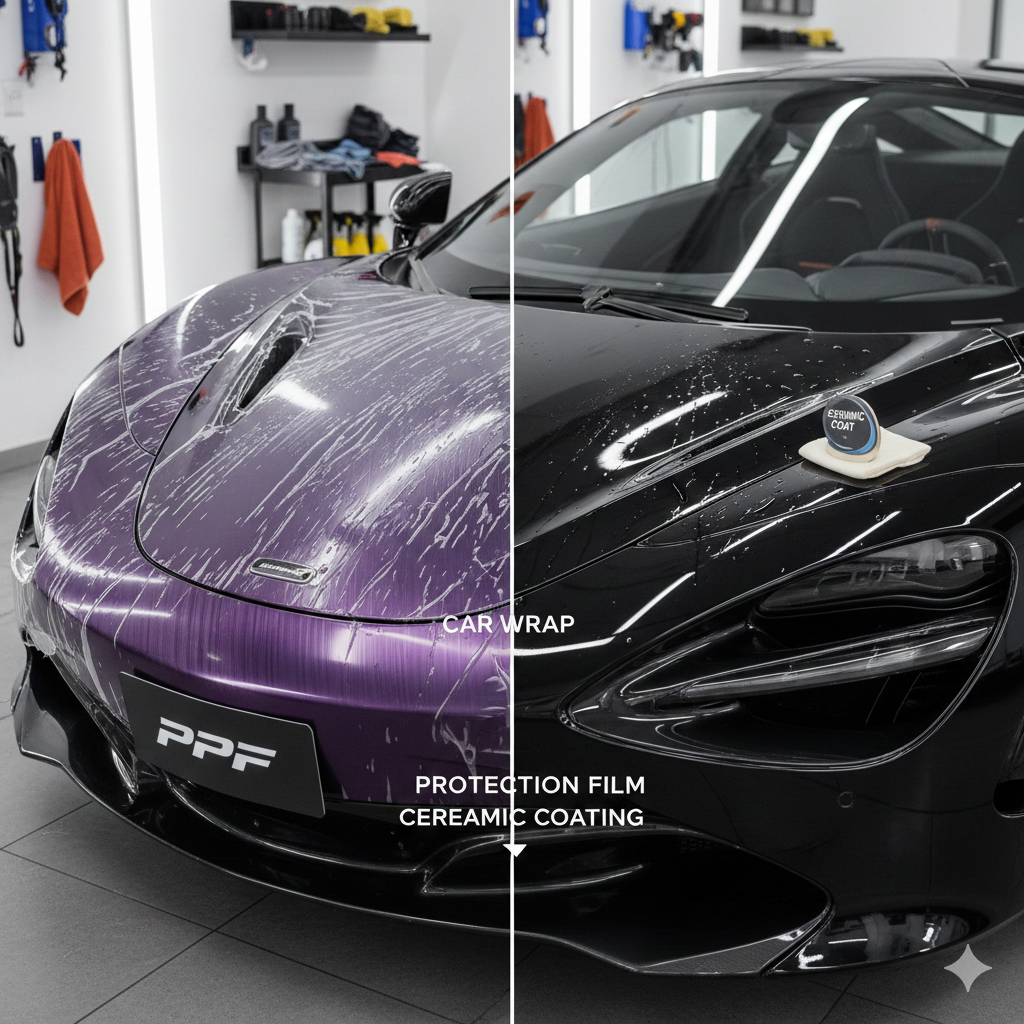
Full-service washes include exterior wash plus hand-drying and interior vacuuming; they suit detailed upkeep and older cars that need careful handling. Detailing services add clay bar, polish, paint sealant, or ceramic coatings for longer protection. Check whether the wash uses professional-grade shampoos and drying tools to avoid paint damage.
Evaluating Car Wash Quality
Inspect the facility’s equipment and cleaning supplies before you commit: high-pressure rinsers, soft microfiber drying towels, and dedicated wheel/paint cleaners signal attention to detail. Ask staff about water recycling and filtration if you’re concerned about spotting or contaminants.
Read recent customer reviews for recurring complaints like swirl marks, missed spots, or interior damage. Verify staff training and whether technicians perform pre-wash inspections to identify sensitive trim, antennas, or aftermarket parts. Look for visible maintenance: clean bays, functioning vacuums, and well-marked traffic flow reduce the chance of dings.
Test for results on your first visit: check door jambs, wheel wells, and underside for leftover grime. If you bought a protectant, verify bead formation after a rinse to confirm proper application. Trust establishments that offer spot-clean guarantees or quick re-wash policies.
Pricing and Package Options
Compare single-wash prices against monthly or unlimited plans using simple math: divide the pass cost by expected visits to get per-wash price. Include add-ons like waxing, undercarriage treatment, and interior shampoo when estimating value. Don’t forget taxes and card fees.
Watch for tiered packages that bundle features; mid-tier usually gives the best value if it includes a sealant or wheel cleaner. Pay attention to time limits, blackout days, and restrictions on SUV or oversized vehicles. Ask about membership cancellation policies and whether multiple cars can share a pass.
When evaluating promotions, confirm the service frequency limits and any exclusions for heavy soils or pet hair. Choose the option that balances cost with the specific protection level you want for your vehicle’s paint and interior.
Maximizing Your Car Wash Experience
Choose a nearby location with the services you actually need, check recent customer ratings for reliability, and prefer washes that use water reclaim or biodegradable soaps to reduce environmental impact.
Convenience and Location
Pick a car wash within a 5–10 minute drive to save time and fuel when you visit regularly. Look for hours that match your schedule — 24/7 self-serve bays or express tunnels with extended evening hours avoid long waits after work.
Confirm on-site amenities before you go: vacuum stations, interior detail options, and payment methods (contactless, app pay, or membership kiosks). If you plan frequent visits, compare unlimited membership costs against single-wash prices to find the best monthly value.
Check lane capacity and peak times. Weekday mornings and late evenings usually have shorter lines than weekends. If you need fast turnaround, choose express or touchless tunnels labeled for quick service.
Customer Reviews and Ratings
Read recent reviews (last 30–90 days) to spot recurring issues like missed spots, long wait times, or aggressive brushes that can harm paint. Focus on reviews that include photos and specific service names (e.g., “premium wax + interior vacuum”) for actionable insight.
Use aggregate scores plus the distribution of 1–5 star ratings. A high average with many recent low scores signals inconsistent service; steady 4–5 star counts suggest reliability. Pay attention to replies from management — quick, professional responses show accountability.
Ask about guarantees and rewash policies noted in reviews or on the company site. If reviewers mention a clear, easy rewash process or refund, you can be more confident booking higher-tier services without extra risk.
Eco-Friendly Car Wash Practices
Choose facilities that advertise water reclamation systems or state-certified wastewater treatment to prevent runoff into storm drains. These systems typically recycle 60–80% of used water, which reduces your environmental footprint compared with at-home washing.
Look for biodegradable, phosphate-free soaps and eco labels on product descriptions or membership pages. Touchless or low-pressure systems can also reduce chemical and abrasive contact while protecting paint and trim.
If you care about broader sustainability, check for additional practices: energy-efficient dryers, recycled towels for detailing, and programs to offset water use. Facilities listing these specifics on their website or in signage usually follow verified procedures rather than vague “green” claims.






Leave a Reply