
You need cladding suppliers who match your project’s performance, budget, and timeline, and you’ll want to spot them quickly. Choose suppliers that offer the specific materials you need, clear technical data, and reliable installation support so your façade performs and stays within budget.
This article breaks down common material options, what to ask suppliers, and how to compare quotes so you can make a confident, practical choice for your building. Expect straightforward criteria and real-world tips that help you narrow options and avoid costly surprises.
Types of Cladding Materials
You’ll find cladding provider that balances durability, aesthetics, insulation, and budget. The choices below highlight common materials, how they perform, and practical trade-offs for procurement and installation.
Metal Cladding Options
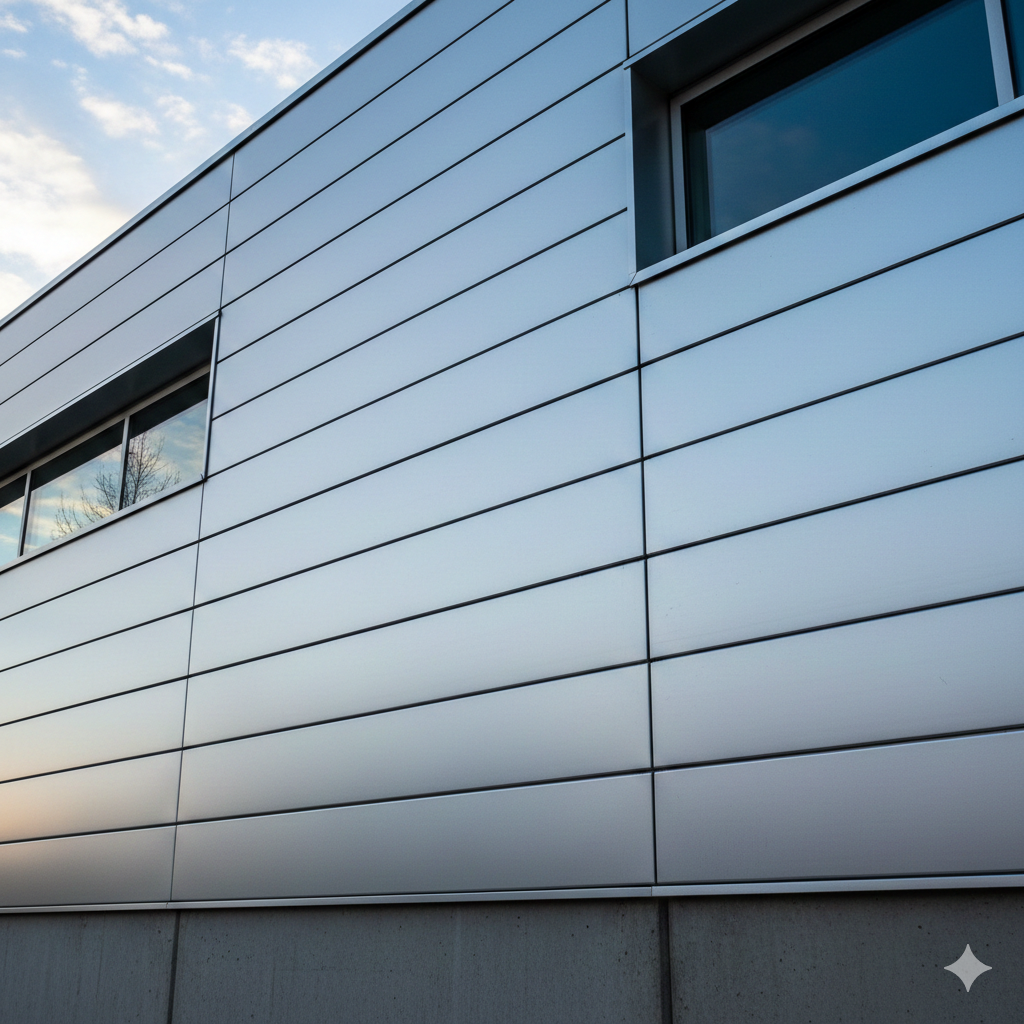
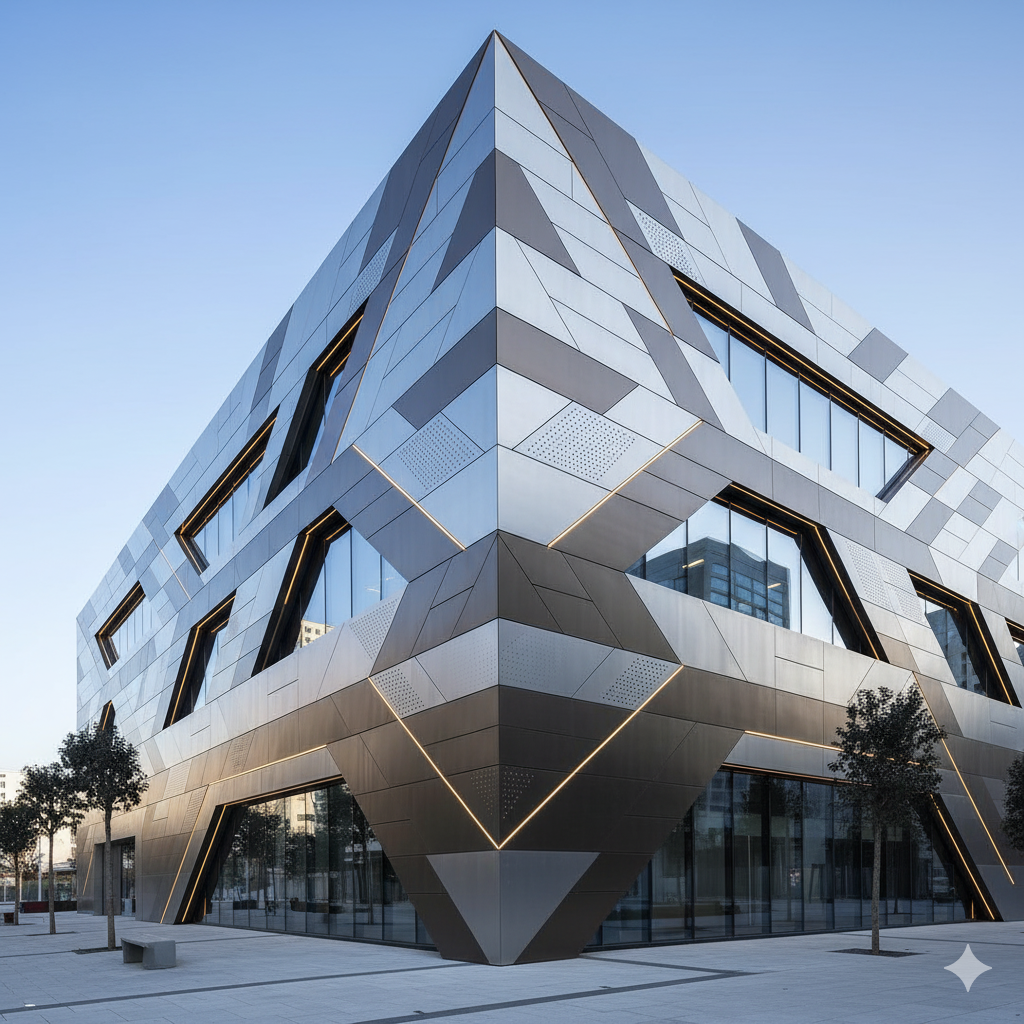
Metal cladding covers a wide range: aluminum plate, aluminum composite material (ACM), steel (galvanized or corten), and zinc. Aluminum and ACM are lightweight, resist corrosion, and allow long, flat panels or complex formed shapes. ACM offers a sandwich panel with improved rigidity and thermal performance compared with single-sheet options.
Metal suits commercial façades and rain-screen systems. It fastens with concealed clips or exposed rivets; you should check wind uplift ratings and thermal expansion details during specification. Finishes include PVDF paint, powder coat, or anodizing—choose based on UV exposure and maintenance plans. Acoustic performance is limited; plan insulation or cavity detailing if sound or condensation control matters.
Brick and Masonry Cladding
Brick veneer and stone-faced masonry provide proven durability and fire resistance. Brick slips or full-size facing bricks anchor to a substrate with ties and a cavity for drainage and insulation. You’ll get strong thermal mass and low long-term maintenance, but consider higher labor and wall-weight implications.
Masonry suits projects where longevity and a traditional aesthetic matter. Pay attention to mortar type, movement joints, and flashing to prevent water ingress. Thin natural stone and manufactured stone veneer offer similar looks with reduced weight; verify substrate load capacity and fixing systems before ordering.
Timber and Composite Cladding
Timber cladding includes hardwoods (cedar, larch) and softwoods treated for decay resistance. Timber gives a natural look and good insulating properties, but it needs periodic oiling, staining, or painting to control weathering and UV damage. Fixing methods range from face-screws to secret clips; ventilation behind the board prevents rot.
Composite cladding (WPC, fiber-cement, engineered wood) mimics timber with reduced maintenance. Fiber-cement resists fire and moisture; WPC resists rot and insects. For composites, check thermal expansion, UV color stability, and recyclability claims. Both timber and composites require detailing for end grain, corners, and junctions to avoid moisture traps.
How to Choose the Best Cladding Suppliers
Focus on supplier track record, verified certifications, and dependable logistics to minimize risk and avoid installation delays. Prioritize suppliers who provide clear documentation, local code compliance, and predictable lead times.
Evaluating Supplier Experience
Look for suppliers with at least 5–10 years of continuous operation in the cladding type you need (metal, composite, timber, or fiber cement). Ask for project references and site photos for buildings similar in scale and exposure to yours.
Request contact details for two recent clients and follow up about product performance, on-site support, and post‑installation issues.
Check whether the supplier has experience with local climate conditions and building codes in your region. Experience with high-wind zones, freeze–thaw cycles, or coastal salt air matters for material selection.
Confirm they offer technical design input or CAD details to integrate with your façade system.
Certifications and Industry Standards
Require copies of third‑party test reports and certifications such as fire performance (e.g., EN 13501, ASTM E84), moisture resistance, and structural load tests relevant to your jurisdiction. Don’t accept verbal claims; get documents showing test dates and lab names.
Verify certification status directly with issuing bodies when possible, and confirm product batches match the certified samples.
Also check supplier adherence to manufacturing standards (ISO 9001) and environmental certifications if sustainability matters to you (e.g., EPDs or FSC for wood).
Ensure product labeling, batch traceability, and a warranty that explicitly states coverage limits, duration, and exclusions.
Supply Chain and Delivery Considerations
Confirm lead times in writing, including production windows, shipping routes, and likely delays during peak seasons. Ask about minimum order quantities, partial shipment policies, and penalties for late delivery.
Request a packing list and delivery schedule that aligns with your construction program and staging areas.
Assess the supplier’s inventory controls and backup sources for critical components (fasteners, trims, sealants). Know who handles customs, inspections, and on-site deliveries if materials come from overseas.
Require clear responsibilities in a supply agreement for damaged or nonconforming shipments, and include agreed inspection windows and return procedures.





Leave a Reply