
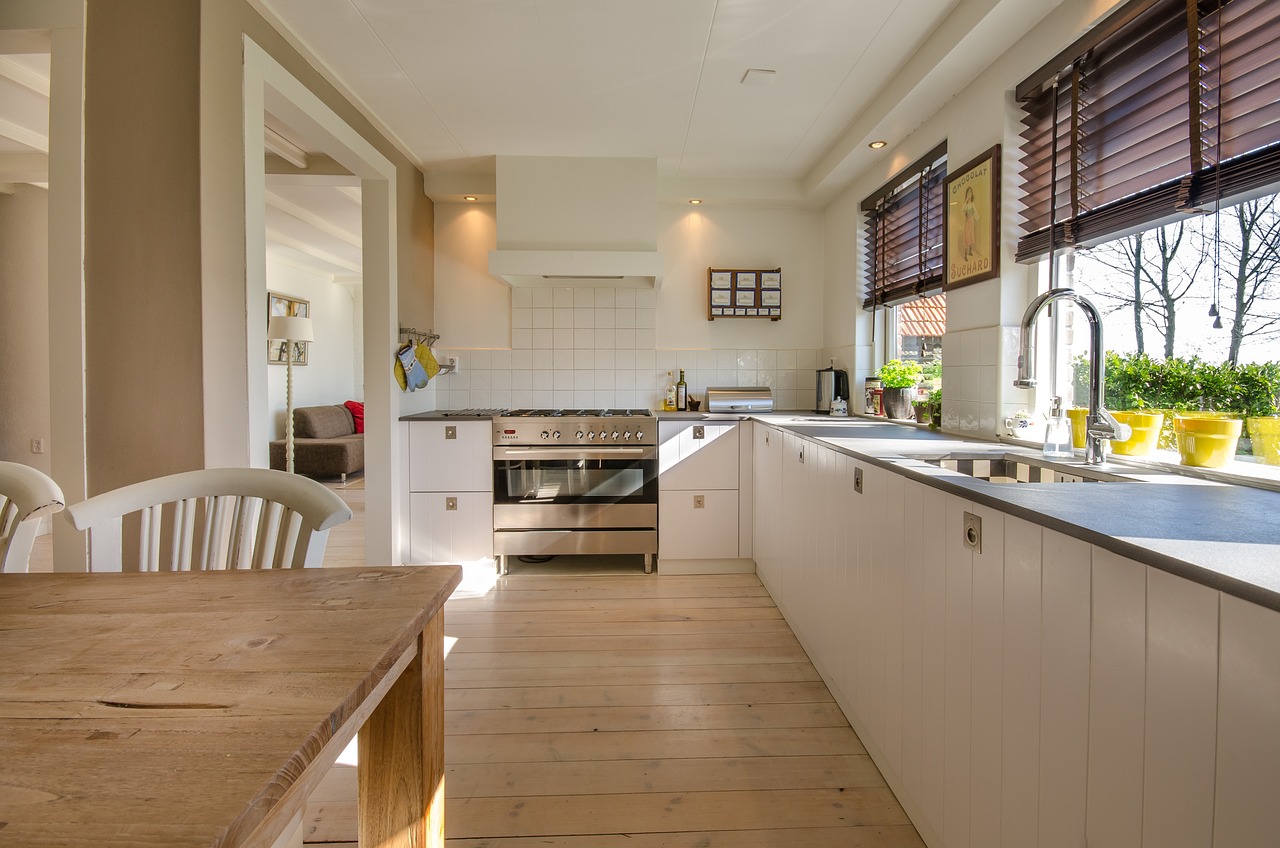
Quartz gives you a durable, low-maintenance surface that looks modern without demanding constant care. If you want a countertop that balances stain resistance, strength, and wide color choices, quartz is one of the smartest kitchen investments you can make.
You’ll learn what makes Countertops for Kitchens Quartz different from natural stone, which styles and finishes suit your kitchen, and practical tips for choosing the right thickness, edge, and installer. Expect clear comparisons, cost outlooks, and design ideas so you can decide confidently and find a quartz countertop that fits your life and aesthetic.
Quartz Countertops for Kitchens
Quartz offers consistent color options, high resistance to stains and scratches, and low maintenance compared with porous natural stones. You can expect long-term performance with routine cleaning and a professional-grade installation.
Benefits of Quartz Countertops
Quartz resists staining, scratching, and most household acids because manufacturers bind crushed quartz with resins and pigments. That engineered composition makes quartz nonporous, so liquids won’t penetrate and you avoid sealing schedules required for granite or marble.
You also gain sanitary advantages: nonporous surfaces limit bacterial growth and simplify cleanup after food prep. Expect heat resistance suitable for brief contact with hot pans, though you should use trivets to prevent thermal damage to resin components.
Budget varies by brand and slab thickness; expect mid- to high-range pricing. Lifetime appearance and low upkeep often offset initial cost, especially if you value consistency of color and pattern across counters and islands.
Design Options and Color Choices
Manufacturers offer a wide palette—from pure whites and soft greys to dramatic veined looks that imitate marble. You can choose finishes like polished for high gloss, honed for matte, or textured for slip resistance on islands and prep zones.
Patterns range from uniform flecks to large, flowing veins. If you want a seamless look across a long run, order slabs with matched veining and ask about bookmatching for striking visual continuity. Edge profiles (eased, bevel, ogee) further customize appearance and affect cost and visual weight.
If you prefer sustainability, look for brands that disclose recycled content percentages and third-party certifications. Sample multiple slabs under your kitchen’s lighting before final selection to confirm color and reflectivity.
Durability and Maintenance
Daily care requires only mild soap and a soft cloth; avoid abrasive pads and high-alkaline cleaners that can dull finishes. For deeper cleaning, use cleaners labeled safe for quartz or a 50/50 water and isopropyl alcohol solution.
Quartz is highly scratch resistant but not scratch proof; use cutting boards. Resin content makes it vulnerable to prolonged heat—always use trivets for hot cookware. For chips or deep damage, a professional can repair seams and chips, but repairs may be visible depending on color and pattern.
Sealing is unnecessary, which simplifies upkeep. Keep oils and acidic substances wiped quickly to prevent surface film buildup and maintain the manufacturer-recommended care routine to preserve warranty coverage.
Installation Process
Measure precisely: installers typically use templating with the actual countertops or CAD-driven templates to ensure accurate cutouts for sinks and cooktops. Bring large appliances and cabinet hardware during templating to verify clearances.
Fabrication includes cutting, edging, and finishing at a shop; seams are glued on-site with color-matched epoxy and then sanded and polished. Expect seam visibility to vary by color and pattern—darker, uniform slabs hide seams best.
Installers should level cabinets first; inadequate support risks cracking. Typical installation time for an average kitchen is a few hours on site after fabrication, but account for lead time of 1–6 weeks depending on slab availability and custom edge work. Ask about backsplash integration, sink mounting options (undermount or integrated), and warranty terms before signing the contract.
Selecting the Right Quartz Kitchen Countertop
Quartz delivers strong scratch and stain resistance, low maintenance, and a wide range of colors and patterns. You’ll balance durability, appearance, and budget when choosing thickness, edge profile, and finish.
Comparing Quartz to Other Materials
Quartz is an engineered stone made from about 90–95% ground quartz and polymer resin. Compared with granite and marble, quartz resists staining and doesn’t require sealing, so you’ll spend less time on upkeep. It also handles everyday knife use well, though you should still use a cutting board to protect both surface and blades.
Compared with solid surface (e.g., Corian), quartz is harder and more scratch-resistant but less repairable; chips in quartz often require professional repair. Compared with laminate, quartz offers far better heat and scratch resistance, though laminate can be cheaper and easier to replace. If you need high heat tolerance for pots, consider adding a heat-resistant trivet—no engineered stone is fully heat-proof.
Factors to Consider Before Purchasing
Decide on thickness, edge profile, and finish before getting quotes. Common thicknesses are 2 cm and 3 cm; 3 cm suits islands and heavy use for a more substantial look. Edge options (bevel, eased, bullnose) affect both style and cost—complex ogee edges add price and can chip more easily.
Pick a finish: polished shows veins and color depth, honed softens gloss for a matte look, and textured finishes hide scratches. Ask about slab variation and request a template or sample to check veining against your backsplash and cabinet tones. Also confirm warranty specifics, installation cost, and whether seams will be visible—larger islands may need seams, and seam placement impacts appearance. Factor in maintenance: routine cleaning with mild soap keeps quartz performing as intended.
Popular Brands and Manufacturers
Look for established brands that provide wide color ranges, consistent production quality, and clear warranties. Examples you’ll encounter include multinational suppliers and regional fabricators; each offers different palettes and performance specs. Ask suppliers for technical data sheets showing resin content, porosity, and impact resistance.
Request references and photos of completed installations from any fabricator you consider. Verify lead times, color matching guarantees, and whether they handle template, fabrication, and installation in-house. Compare quotes not just on price per square foot but on included services—edge finishing, sink cutouts, and seam polishing often vary and affect final cost and appearance.






Leave a Reply