

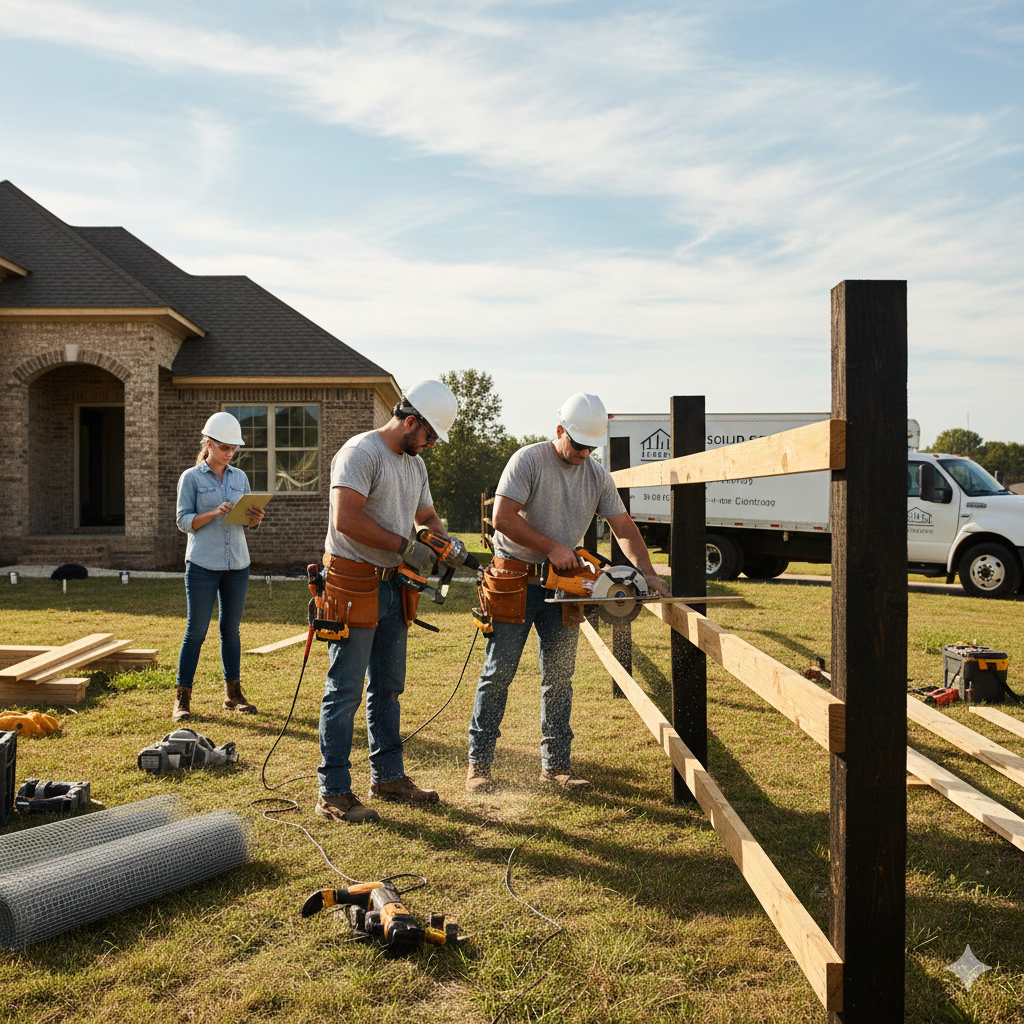
You want a dependable fence contractor near you who delivers quality work on time and within budget. Start by knowing what you need—type of fence, estimated budget, and timeline—so you can quickly compare qualified local pros and get accurate quotes.
Local platforms and services make it easy to find licensed, reviewed contractors and to request free estimates when searching for fence contractors near me, but you should still check references, insurance, and examples of past work before hiring. Expect the rest of this article to show how to evaluate contractors, understand common installation and maintenance services, and pick the best pro for your property.
Choosing the Right Fence Contractors Near Me
You need a contractor who matches your purpose, timeline, and budget while protecting you with proper paperwork and guarantees. Focus on local reputation, clear written estimates, and proof of licensing and insurance when comparing candidates.
Qualities of Reliable Local Fence Contractors
Look for contractors with at least 3–5 years of local experience and a portfolio of nearby projects you can visit or verify online. Read multiple recent reviews on Yelp, BBB, or local community groups to confirm consistent workmanship and communication.
Verify they provide a written project timeline, point of contact, and a clear materials list specifying wood type, post size, concrete depth, or metal gauge. Ask about cleanup, permit handling, and how they address buried utilities—reliable crews call 811 before digging.
Check for trade membership or local certifications and request references from completed jobs within six months. A dependable contractor will offer a detailed contract, respond quickly to questions, and show photos of completed work rather than just promises.
Comparing Quotes and Services
Request three written estimates that break down labor, materials, hardware, permit costs, and line-item allowances for change orders. Compare the same scope: fence height, number of gates, post spacing, fastening method, and concrete footings to make apples-to-apples comparisons.
Beware of lowball bids that lack specifics—those often mean lower-quality materials or hidden fees. Instead, favor mid-range bids with clear warranties, a defined start date, and a payment schedule tied to milestones rather than upfront lump sums.
Use a short comparison table to evaluate quotes quickly:
- Price (total)
- Materials specified
- Lead time/start date
- Warranty length
- Permits included (Y/N) This helps you decide based on value, not just lowest price.
Licensing, Insurance, and Warranties
Confirm the contractor’s business license number and verify it with your city or state licensing board. Licensing ensures they meet local code knowledge and allows you to check for active complaints.
Ask for a certificate of insurance showing general liability and workers’ compensation with your property named as an additional insured when possible. Don’t hire contractors who can’t provide proof—liability gaps leave you financially exposed for injuries or property damage.
Clarify warranty terms in writing: what’s covered (materials vs. labor), duration, and process for claims. Get manufacturer warranties on materials documented in the contract and insist on a workmanship warranty of at least one year for residential installs.
Fence Installation and Maintenance Services
You’ll learn what fence materials contractors typically offer, how a professional installation proceeds from estimate to final inspection, and what maintenance tasks and repairs keep the fence functioning and looking good over time.
Types of Fencing Options Offered
Contractors usually stock and install a core set of materials: wood, vinyl, chain-link, and aluminum. Wood provides privacy and a natural look but requires regular staining or sealing to prevent rot and warping. Vinyl resists moisture and insects and needs only periodic washing; expect higher upfront cost but lower maintenance.
Chain-link works well for security and pets; it installs quickly and tolerates ground movement. Aluminum offers a low-maintenance, decorative option for yards and pools; it resists rust but can dent. Contractors may also offer specialty options such as composite wood, ornamental steel, or farm fencing—ask about local availability, lead times, and warranties.
Request sample panels and color swatches. Ask for recommended heights, gate hardware options, and whether they match posts and rails to local code and HOA rules.
Installation Process Overview
You begin with an on-site measurement and a written estimate that lists labor, materials, post spacing, and permit needs. Contractors will mark property lines and utility locations; you must confirm fence location and any access requirements before work starts.
Typical steps: post holes drilled or sonically driven, posts set with concrete on specs for soil type, rails and panels attached, gates installed and aligned, and a final grade and cleanup. Expect 1–5 days for a standard residential run depending on length and site conditions. Insist on a timeline, a damage protocol, and a final inspection checklist that includes post plumbness, gate swing, and fastener types.
Ongoing Maintenance and Repairs
Create a simple yearly checklist: inspect posts and rails for rot or rust, tighten loose fasteners, and check gate alignment and latches. For wood fences, plan staining or sealing every 2–3 years; replace any boards with significant rot promptly to avoid spread. For vinyl and aluminum, wash with mild detergent once a year and remove debris from post holes.
Common repairs contractors handle: post replacement, panel resetting after frost heave, gate rehanging, and corrosion patching on chain-link. Ask contractors about service contracts or seasonal tune-ups, emergency repair response times, and whether they recycle old materials. Keep receipts and photos of installations to support warranty claims.







Leave a Reply