
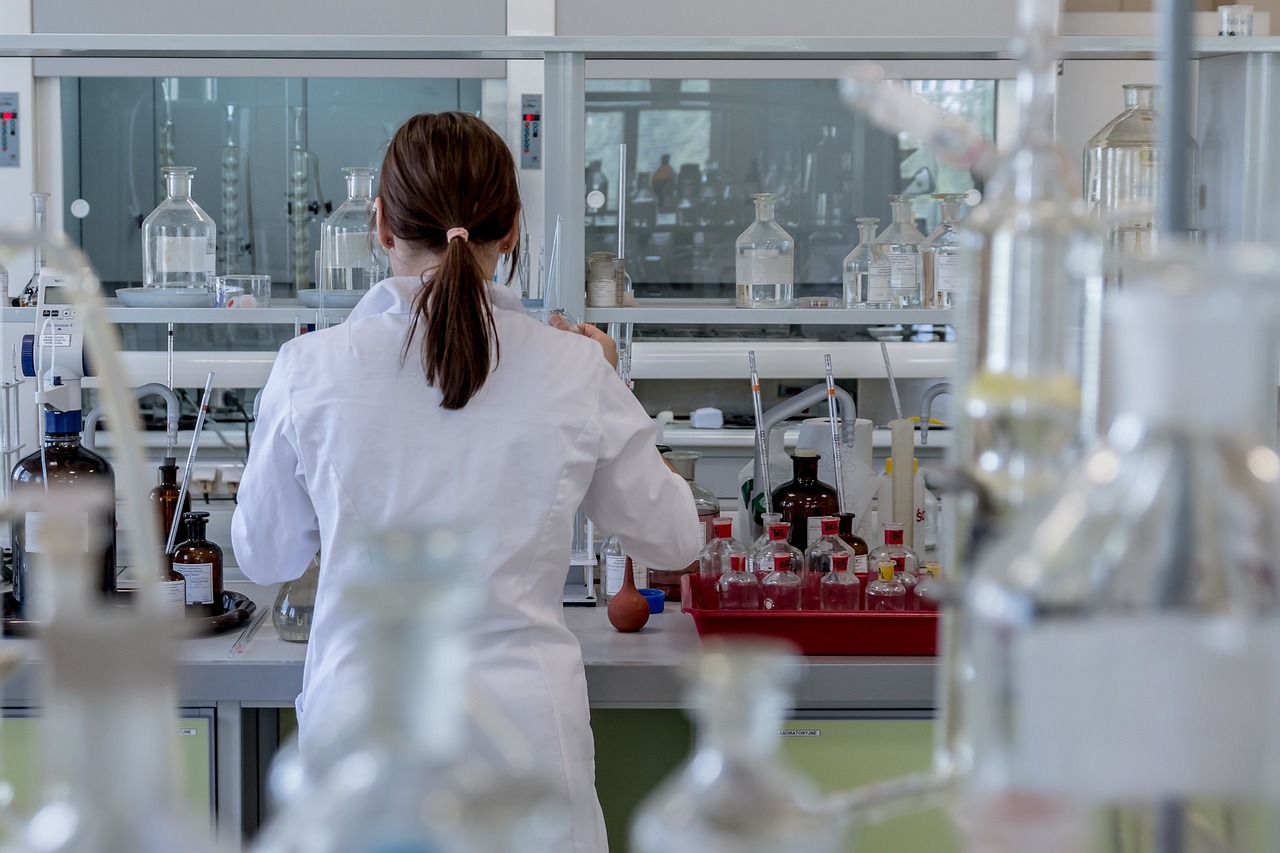
You rely on the right lab equipment and supplies to get accurate results, maintain safety, and keep experiments running smoothly. Focus on essential instruments, reliable consumables, and proper maintenance to save time, reduce errors, and protect your work.
This article breaks down which tools matter most, how to choose quality Lab Equipment & Supplies suppliers, and simple upkeep that extends equipment life and preserves data integrity. Expect practical guidance on core items, procurement tips, and maintenance steps you can apply immediately.
Essential Lab Equipment & Supplies
You need reliable instruments, proper glassware and plastics, safety gear, and consistent consumables to run accurate experiments and maintain compliance. Prioritize precision, calibration, compatibility with your assays, and proper storage for sensitive reagents.
Types of Laboratory Instruments
Focus on instruments that directly affect data quality: analytical balances (readability 0.1 mg to 0.01 mg), micropipettes (single and multichannel covering 0.1 µL–10 mL), centrifuges (bench-top, refrigerated, ultracentrifuge), and spectrophotometers (UV‑Vis, plate readers). Include incubators and shakers for culture work, hotplates and stirrers for solution prep, and microscopy (compound, stereo, fluorescence) for imaging and QC.
Maintain a calibration schedule and log for each instrument. Match capacity and sensitivity to your assays rather than buying the highest-spec model every time. Ensure service contracts and replacement parts availability for critical devices.
Glassware and Plasticware
Stock calibrated volumetric flasks, graduated cylinders, and class A pipettes for precise volumetric work. Use borosilicate glass (e.g., 10–5000 mL) for heating and solvent resistance. Keep beakers and Erlenmeyer flasks for mixing and storage.
For disposableware, choose low‑retention, sterile pipette tips, PCR tubes, microcentrifuge tubes, and cell culture plates compatible with your assays. Track lot numbers and expiry dates for sterile items. Implement a washing and inspection SOP for reusable glass to avoid cross‑contamination.
Safety Equipment
Equip the lab with Class II biological safety cabinets, chemical fume hoods rated for your solvent/acid use, and eyewash and emergency shower stations within 10 seconds of work areas. Provide flame‑resistant lab coats, nitrile gloves in multiple sizes, and face protection suitable for splash or impact hazards.
Install appropriate fire extinguishers (ABC and CO2), spill kits for acids/bases and biologicals, and clearly labeled waste containers for sharps, biohazard, solvent, and halogenated/non‑halogenated chemical waste. Train personnel on emergency shutdown and incident reporting procedures.
Consumables and Reagents
Maintain an inventory of buffer stocks, enzyme aliquots, molecular biology kits, and analytical standards with first‑in, first‑out rotation. Store light‑sensitive reagents in amber vials and temperature‑sensitive items in monitored freezers or refrigerators with alarms.
Order common consumables—filters, syringes, seals, gaskets, column media, and pH paper—in bulk to avoid downtime. Record supplier, catalog number, lot, and storage conditions for each reagent. Validate new lots for critical assays before full use.
Choosing and Maintaining Laboratory Equipment
Focus on matching equipment performance to your protocols, ensuring compatibility with your samples and workflows, and establishing routines that preserve accuracy and safety.
Factors for Selection
Identify the specific tests or experiments you run and list required specifications: sensitivity, resolution, throughput, and sample volume. Check manufacturer specifications for limits of detection, accuracy (± values), and calibration intervals to match your QA requirements.
Consider compatibility: power requirements, software formats, consumables, and footprint. Confirm that reagents, tips, and spare parts are available locally and that vendors offer service contracts.
Budget beyond purchase price. Include installation, validation, recurring consumables, calibration, and disposal costs. Evaluate total cost of ownership across the instrument’s expected life.
Verify regulatory and safety needs. Choose models with appropriate certifications (e.g., CE, ISO) and required biosafety features like HEPA filtration or sealed rotors when working with hazardous samples.
Proper Handling Practices
Train each user on start-up/shutdown sequences, handling fragile components, and correct loading of samples to prevent contamination and mechanical damage. Post step-by-step SOPs at the instrument, including acceptable ranges for temperature, speed, and time settings.
Use PPE appropriate to the sample and instrument—gloves, eye protection, and lab coats are common; add face shields or respirators for aerosol-generating procedures. Label consumables and store them by lot number and expiry to avoid cross-use.
Adopt single-use items where contamination risk is high and define cleaning agents compatible with instrument surfaces and seals. Log every use in an instrument book or digital system to track operator, purpose, and any anomalies for traceability.
Maintenance Procedures
Create a preventive maintenance calendar that covers daily checks, weekly cleaning, monthly functional tests, and annual calibration. Example checklist items: verify seals and O-rings, inspect electrical cords, run control samples, and record baseline noise or drift values.
Keep a maintenance log with date, task, operator, and results. Use vendor-recommended lubricants and parts; replace wear items (filters, belts, tubing) on schedule to prevent failures.
Plan for corrective maintenance: document error codes, capture screenshots or photos, and contact vendor support with serial numbers and log history. Maintain stock of critical spare parts to reduce downtime and align service contracts so response times meet your operational needs.







Leave a Reply