
You don’t need to rip up your yard or shut off your whole property to fix a damaged sewer or drain. Trenchless drain repair lets you restore pipe function from small access points using methods like relining or pipe bursting, saving time, money, and the mess of traditional excavation. If you want a durable fix with minimal surface disruption, trenchless methods often deliver fast, cost-effective results compared with full dig-and-replace work.
This post will show how trenchless repair works, when it makes sense for your pipes, and what to consider before you commit to a solution. Expect clear comparisons of common techniques, typical timelines, and practical factors that affect cost and suitability so you can decide confidently for your property.
Understanding Trenchless Drain Repair
Trenchless drain repair fixes or replaces underground pipes with minimal surface disruption, faster timelines, and reduced landscaping damage. You’ll learn how the methods work, what to expect during a job, and the practical benefits for cost, time, and property impact.
What Is Trenchless Drain Repair
Trenchless drain repair lets technicians access damaged pipes through small access points rather than digging long trenches. They inspect pipes using video cameras to locate cracks, roots, offsets, and blockages before choosing a repair method.
You retain the original pipe alignment in many repairs because the work happens inside the existing pipe. Repairs typically address leaks, bellied pipes, root intrusion, corrosion, and cracks without removing large sections of yard, driveway, or flooring.
A typical job starts with a camera inspection, then cleaning (hydro-jetting or rodding), and finally lining or pipe bursting depending on the pipe condition and access constraints.
Types of Trenchless Drain Repair Methods
Main trenchless methods include cured-in-place pipe (CIPP) lining, pipe bursting, and sectional spot repairs. CIPP lining inserts a resin-saturated liner that cures in place to form a new pipe within the old one; it works well for continuous runs with internal deterioration.
Pipe bursting replaces the pipe by breaking the old line outward while pulling a new pipe into the same bore; choose this when collapse or size increase is needed. Sectional spot repairs use localized liners or injection resins to fix discrete defects and save time when damage is limited.
Other adjunct techniques include pipe relining for lateral connections and slip-lining for simple diameter reductions. Your contractor will recommend the method based on camera findings, pipe material, soil conditions, and access points.
Benefits of Trenchless Technology
Trenchless methods minimize surface disturbance, preserving lawns, driveways, and hardscapes and reducing restoration costs. You’ll typically see shorter project timelines—often completed in a day or two for residential jobs—and less water and soil contamination during the work.
Labor and equipment needs concentrate at small entry pits, lowering the risk of damaging nearby utilities and reducing overall project footprint. Many trenchless repairs restore structural integrity and extend pipe life by decades, and they often cost less than full excavation once landscaping and restoration are included.
Consider warranties, cured-resin specifications, and contractor experience when comparing quotes, since material quality and installation technique strongly affect long-term performance.
Process and Considerations
This section explains how trenchless drain repair commonly proceeds, when it typically makes sense, and the main cost drivers you should expect. It focuses on concrete steps, site conditions that favor trenchless methods, and financial factors that affect value.
Step-By-Step Trenchless Repair Process
Most projects start with a CCTV inspection to locate damage and measure pipe condition. Technicians feed a camera through access points to record cracks, root intrusion, joint separation, or bellies; you’ll get a report that guides the method selection.
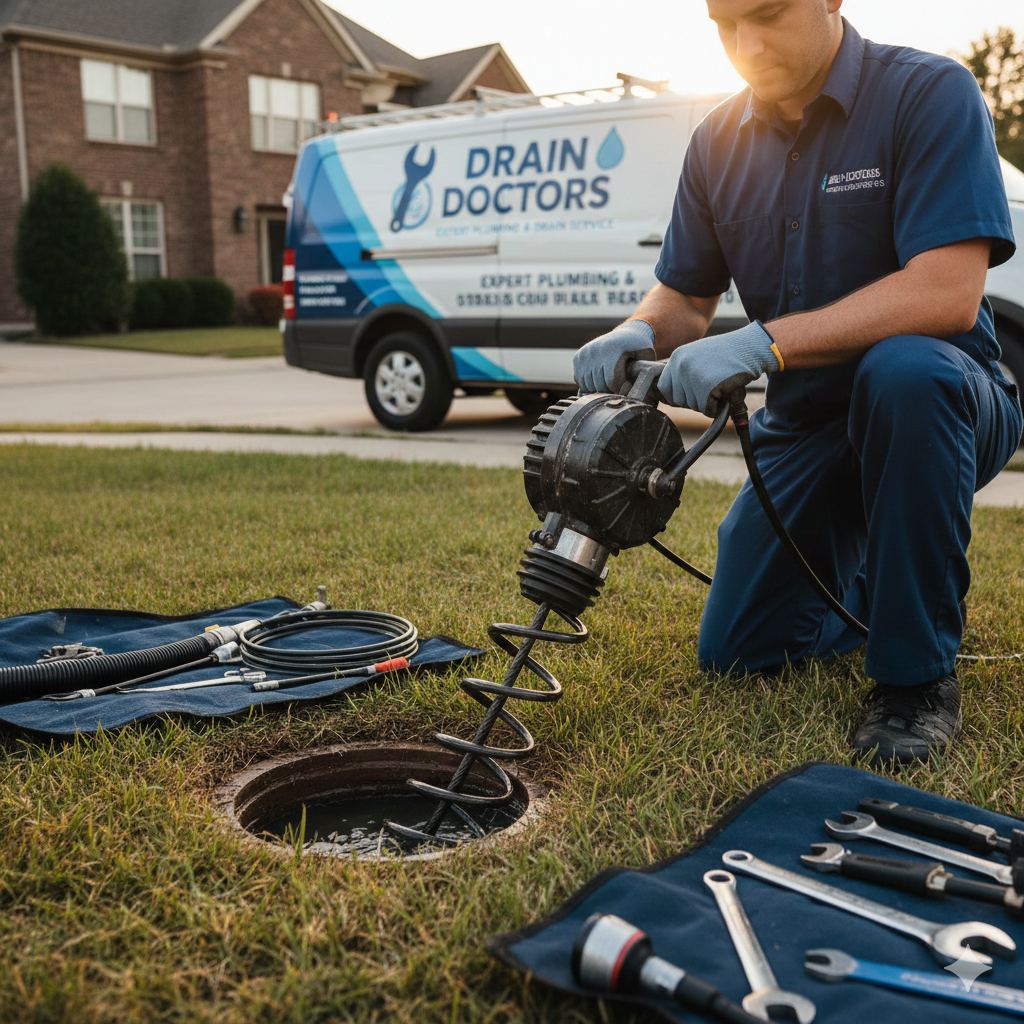
If lining is chosen, crews clean the pipe with high-pressure water jets or mechanical cutters, then insert a resin-saturated liner that expands and cures in place to form a new pipe within the old one. Pipe bursting requires excavation only at two pits: they pull a bursting head through the old pipe while simultaneously pulling in a new pipe of equal or larger diameter.
Typical residential timelines range from a few hours for small liner patches to one to three days for full-length lining or bursting. You should plan for temporary water shutoffs during work and clear access for equipment and trucks. Permits and locating utilities often add time before crews arrive.
Ideal Situations for Trenchless Repairs
Trenchless repair suits runs under lawns, driveways, sidewalks, or finished landscaping where excavation would cause high restoration costs. Choose trenchless when sewer condition shows longitudinal cracks, root intrusion, or deteriorated joints but the host pipe remains generally continuous.
You should avoid trenchless when the pipe has collapsed sections, severe offsets, or multiple sharp bends that prevent liner or equipment passage. Extremely shallow pipes or closely packed utility corridors may also rule it out. For laterals where access is limited, a short open dig to create a proper entry or lateral insertion point is commonly required.
Cost Factors and Return on Investment
Primary cost drivers include pipe length and diameter, method chosen (CIPP lining vs. pipe bursting), condition complexity, and required access work. Lining typically costs less per linear foot than full bursting and minimizes restoration expenses because you rarely replace surface materials.
Other costs: CCTV inspection, permit fees, traffic control, and post-job testing. Calculate ROI by comparing avoided restoration (driveway, landscaping) and shorter downtime against higher upfront equipment or material costs. For many homeowners, lower restoration and faster completion deliver net savings compared with full excavation, but get a written estimate that breaks out inspection, repair, and restoration items.







Leave a Reply